Cultural Tapestry of Farewell: Cultural Traditions and Social Fabrics of Indian Funeral Customs
Wiki Article
Throughout the rich cultural regions of India, traditions associated with honoring an individual's passing reflect a deep commitment to social solidarity. From rural villages to major cultural hubs, the traditions associated with honoring an individual's earthly chapter combine artistic beauty, historical reverence, and communal harmony. Far from viewing departure with isolated sorrow, these practices establish a lasting connection, uniting relatives, honoring elders, and passing down timeless values. The initial hours of the ceremonial gathering are observed with attentive care and respect. Close relatives assemble to carry out customary washing and dressing preserved within family lines. The individual is adorned in clean, elegant garments tailored to regional heritage and personal status. In many traditions, classic white attire is selected, symbolizing quiet peace, dignity, and cultural simplicity. In other regional communities, festive cultural cloths are chosen to honor the individual's age, social role, or lineage. Fresh blossoms and natural garlands form a central element throughout this artistic setup. Artistically woven wreaths of sweet jasmine, brilliant marigolds, and fresh roses are presented by family members with deep affection. These floral decorations are far more than aesthetic adornments; they represent the vibrant beauty of life and the honor bestowed by the family. The gentle application of aromatic sandalwood paste, natural rosewater, and traditional herbal essences underscores the high level of respect, hygiene, and beauty present in the household. One of the most visually striking and culturally significant aspects of these traditional farewells is the organized neighborhood procession leading from the home toward nature's resting site. Referred to as a collective march of respect, this peaceful walk along shared streets unites the broader neighborhood in mutual support. Fellow villagers and urban neighbors join together along the entry paths, dressed in modest, unadorned traditional white clothing creating a peaceful, harmonious visual atmosphere. The individual is carried upon a gracefully constructed frame made from natural bamboo, adorned with fresh green leaves, traditional woven textiles, and rich floral garlands. While the gatherers walk along the neighborhood paths, neighbors exchange places to help carry the bamboo litter. This hands-on participation represents a meaningful tradition of communal respect, symbolizing that no family carries the weight of a farewell alone. Throughout several cultural zones, soft rhythmic beats from local instruments or classic brass arrangements guides the walkers, establishing a solemn and respectful mood that informs the local district of a completed life journey. The extraordinary variety of Indian heritage is clearly visible within the distinct farewell practices found across states and communities. Although the foundational principles of hospitality and honor are shared everywhere, the outward ceremonial forms adapt uniquely according to regional heritage and local ancestry. Following the primary ceremonial rites, family life shifts into a structured phase of quiet reflection, observed over nearly two weeks. During this timeframe, the domestic residence serves as a welcoming venue for visiting friends, distant relatives, and community members who drop in to share comfort and honor the family. Serving visitors during these days is a cherished cultural duty. Freshly cooked vegetarian meals are made each day to serve all guests who arrive to honor the family. Sharing food in this manner encourages warm fellowship, encourages the sharing of fond memories, and ensures that the grieving household is fully supported with daily necessities by the broader social network. The closing of the formal hosting phase is celebrated with an extended neighborhood meal. Elders speak about the individual's life legacy and community service, preserving family heritage for children and grandchildren. Acts of charitable giving—such as donating clothing to community members, distributing food to those in need, or supporting local educational initiatives—are carried out to celebrate the person's legacy, reinforcing the value of community service and social responsibility.
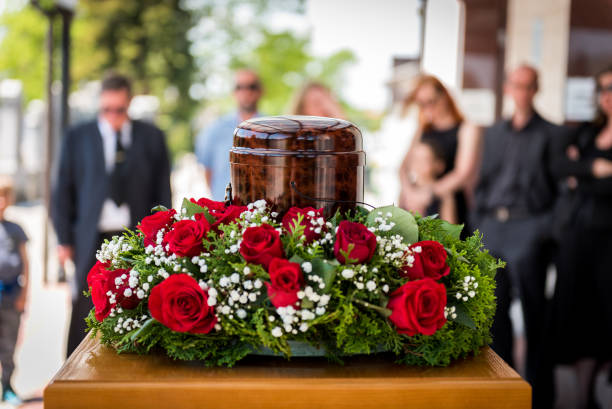
Repatriation Services in India Indian society approaches the honoring of the departed through a harmonious mix of joint effort and refined etiquette. Across both historic towns and modern neighborhoods, the collective gathering of relatives, neighbors, and friends serves as the primary pillar of support. This social tradition provides a supportive atmosphere allowing society to express gratitude, care for grieving households, and pass on oral histories.
Dignified Preparation and Family Care
The White Procession: Community Solidarity in Motion
Cultural Feature
Material Used
Cultural Significance
Dress Code
Unadorned White Textiles
Symbolizes social equality, peace, and community unity.
Resting Platform
Woven Bamboo and Foliage
Reflects connection to nature and traditional craftsmanship.
Floral Adornments
Fresh Marigolds, Lotus, and Roses
Represents honor, aesthetic beauty, and respect.
Natural Essences
Cooling Sandalwood and Rose Essence
Provides sensory elegance and traditional purification.
Regional Variations and Cultural Diversity
Kengeri Crematorium Whether the final resting customs involve traditional earthen burials or ceremonial fire arrangements, the focus remains steadfastly on the cultural heritage of offering the individual back to nature's elements in a manner that honors the land and traditional environmental philosophy.
Communal Hospitality and Memorial Traditions
Summary: Timeless Values of Community Honor
Peenya Crematorium The farewell traditions of India present a masterclass in community togetherness, textile art, and social respect. By transforming a moment of farewell into a dignified celebration of cultural heritage, these customs prove the enduring value of shared hospitality and tradition. With delicate floral craft, peaceful white processions, distinct regional arts, and open-door hosting, communities across India pay magnificent tribute to their elders while fortifying the enduring bonds of the community for generations to come.