Cultural Tapestry of Farewell: Traditions, Community, and Honor in Indian Farewell Rites
Wiki Article
Within the vibrant subcontinental heritage of India, traditions associated with honoring an individual's passing stand as a timeless testament to community devotion. Across every regional territory, the rites dedicated to paying final respects are rich with regional artistry, historical significance, and intricate social customs. Rather than focusing merely on loss, these practices establish a lasting connection, fostering hospitality, deepening community ties, and upholding generational respect. The initial hours of the ceremonial gathering are characterized by meticulous cultural preparation. Loved ones lovingly execute time-honored home traditions passed down through untold generations. The departed loved one is dressed in spotless traditional attire representing local artistic styles. White garments are most frequently chosen, reflecting social balance, harmony, and pristine beauty. In other regional communities, traditional textiles featuring intricate patterns or specific cultural colors are selected to celebrate an elder's wisdom and societal contributions. Fragrant floral arrangements play an irreplaceable role within these home observances. Artistically woven wreaths of sweet jasmine, brilliant marigolds, and fresh roses are presented by family members with deep affection. This floral art serves a profound purpose; they represent the vibrant beauty of life and the honor bestowed by the family. The delicate use of natural sandalwood, rosewater, and native herbs underscores the high level of respect, hygiene, and beauty present in the household. Among the most celebrated social features of these traditional farewells is the organized neighborhood procession from the family residence to the community resting grounds. Known across various regions as a procession of honor, this peaceful walk along shared streets transforms private grief into a shared community event. Neighbors, extended relatives, and acquaintances gather in front of the family home, wearing simple white traditional attire to demonstrate solidarity and visual harmony. The rested individual is borne on a handmade platform made from natural bamboo, adorned with fresh green leaves, traditional woven textiles, and rich floral garlands. As the procession moves through the streets, neighbors exchange places to help carry the bamboo litter. This hands-on participation represents a meaningful tradition of communal respect, symbolizing that no family carries the weight of a farewell alone. Across numerous localities, soft rhythmic beats from local instruments or classic brass arrangements guides the walkers, establishing a solemn and respectful mood that honors the individual's legacy within the public sphere. The extraordinary variety of Indian heritage is clearly visible within the distinct farewell practices found across states and communities. While core values of respect and community remain universal, the outward ceremonial forms adapt uniquely according to regional heritage and local ancestry. Following the primary ceremonial rites, Indian cultural heritage dictates a structured period of home-based remembrance, generally spanning ten to thirteen days. During this timeframe, the domestic residence serves as a welcoming venue for guests arriving from nearby and far-off locations who arrive to offer support, food, and companionship. Receiving guests with warmth remains a top priority. Freshly cooked vegetarian meals are made each day so every guest is comfortably welcomed and nourished. This tradition of sharing meals fosters deep emotional connection, encourages the sharing of fond memories, while guaranteeing that the family receives active help and daily supplies from neighbors. The final day of the memorial period features a generous community gathering. Family elders share stories of the individual's achievements, wisdom, and character traits, ensuring that their oral history is transmitted to younger generations. Acts of charitable giving—such as donating clothing to community members, distributing food to those in need, or supporting local educational initiatives—are organized as a meaningful tribute, building a lasting legacy of kindness and civic care. Dead Body Transportation in Delhi These subcontinental customs demonstrate a beautiful example of social values, artistic traditions, and profound community solidarity. Through turning a time of loss into an honorable display of community unity, these traditions showcase the strength of human connection and collective support. Through beautiful floral arrangements, white-clad processions, regional artistry, and generous hospitality, this heritage celebrates the completed life of every member while building stronger, more united neighborhoods for the future.
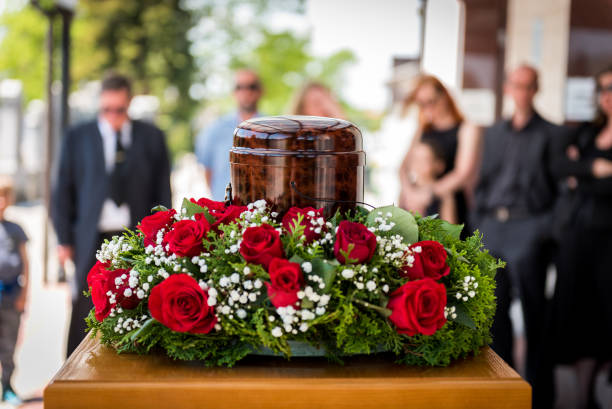
Kengeri Crematorium Families across India handle these dignified moments through a harmonious mix of joint effort and refined etiquette. Whether in quiet country settlements or dense metropolitan districts, the collective gathering of relatives, neighbors, and friends serves as the primary pillar of support. This social tradition provides a supportive atmosphere allowing society to express gratitude, care for grieving households, and pass on oral histories.
The Aesthetics of Preparation and Family Devotion
The White Procession: Community Solidarity in Motion
Element
Traditional Medium
Community Role
Dress Code
Simple White Cotton Garments
Reflects modest dignity and visual harmony.
Resting Platform
Handcrafted Local Bamboo
Reflects connection to nature and traditional craftsmanship.
Garlands
Native Sweet Blossoms
Expresses high regard, warmth, and artistic beauty.
Herbal Preparations
Cooling Sandalwood and Rose Essence
Offers a fresh, dignified atmosphere.
Subcontinental Diversity in Farewell Customs
Kengeri Crematorium Regardless of whether the final rites use natural earthen placement or traditional fire settings, the focus remains steadfastly on the cultural heritage of offering the individual back to nature's elements in a manner that honors the land and traditional environmental philosophy.
Hospitality, Remembrance, and Social Continuity
Summary: Timeless Values of Community Honor